Air Source Heat Pump Pros and Cons

Elite Energy News

Air Source Heat Pump Pros and Cons

For most UK homeowners, the air source heat pump pros and cons weigh heavily in favour of investing. Running costs are lower than gas, oil, and LPG, government grants cover up to £9,000 of the installation, and UK heat pump sales rose 26% in 2025 alone. But they're not right for every property.

Our guide covers the genuine advantages and disadvantages of air source heat pumps, and a straight answer to whether an air source heat pump is worth it for your home.

At Elite Energy, we've installed air source heat pumps across the North East and Yorkshire for over 15 years. Request a free quote or explore everything you need to know below.

Quick Navigation:

Air Source Heat Pump Pros and Cons at a Glance

Here's a quick overview before we go into the details.

Pros:

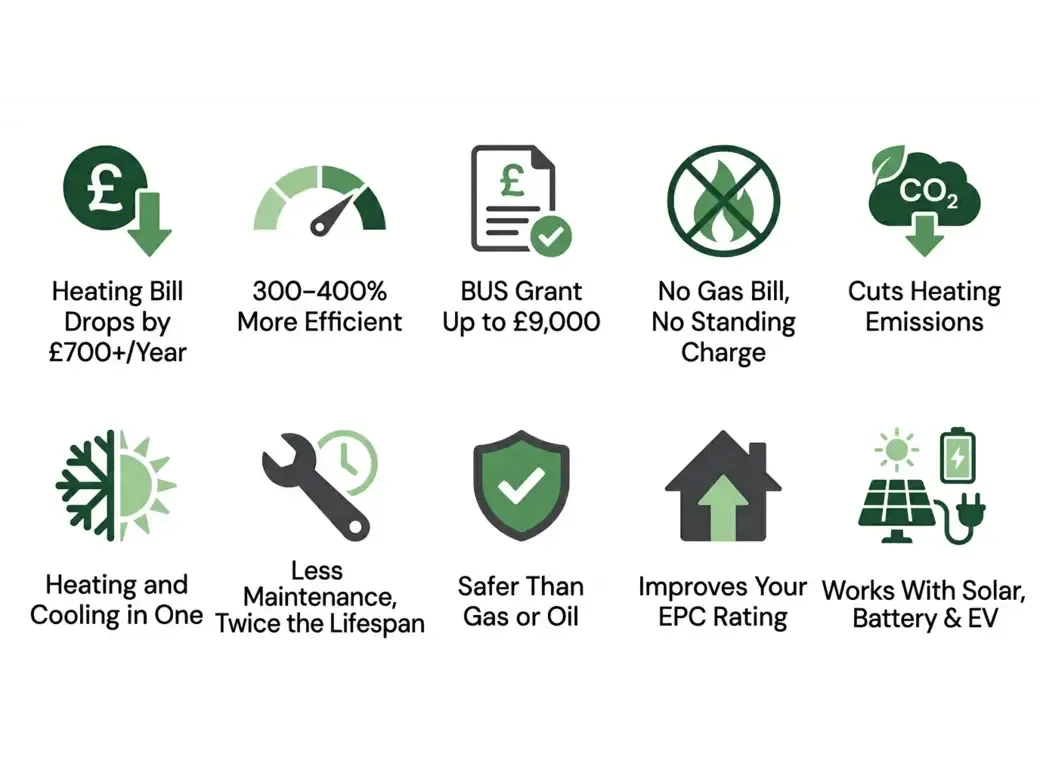
  • Your heating bill could drop by £700+ a year

  • 300–400% more efficient than a gas boiler

  • BUS grant could bring your cost down to £1,000

  • No gas bill, no standing charge

  • Cuts heating emissions by up to 44%

  • Heating and cooling from one system

  • Less maintenance, twice the lifespan of a gas boiler

  • Safer than a gas or oil system

  • Improves your EPC rating

  • Works alongside solar, battery storage, and EV charging

Cons:

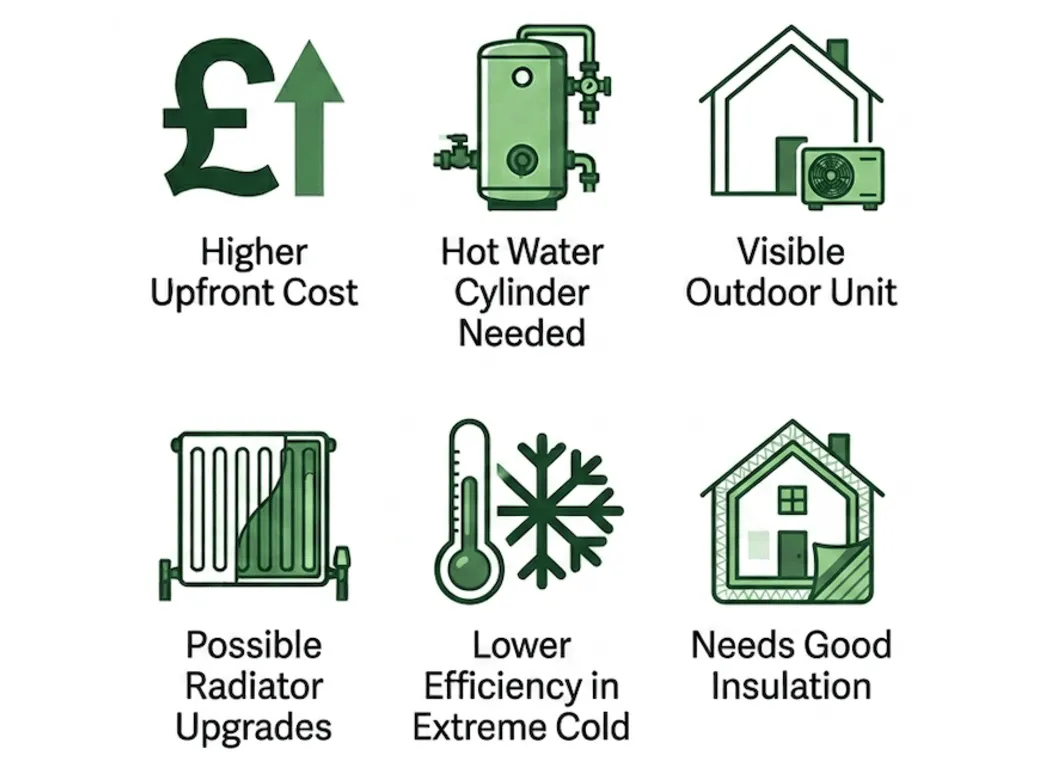
  • Higher upfront cost than a boiler replacement

  • Requires a hot water cylinder (takes up indoor space)

  • Outdoor unit is visible and larger than expected

  • May need radiator upgrades for best performance

  • Efficiency drops in sustained extreme cold

  • Works best in well-insulated homes
The Advantages of Air Source Heat Pumps

Here are the main benefits of air source heat pumps for UK homeowners.

Your Heating Bill Could Drop by £700+ a Year

A typical 3-bed semi uses 12,000kWh of gas per year. At the current Ofgem rate of around 7p/kWh plus standing charges, that's roughly £985 per year on heating. Replace that with a SCOP 4 air source heat pump and the demand reduces to 3,000kWh of electricity. On a time-of-use tariff at 9p/kWh, that costs around £270 per year. Remove the gas supply entirely and the net saving is £700–£750.

These figures assume a gas boiler running at 90% efficiency, which is best case. Most boilers operate at 80–85%, meaning real costs are higher and the savings from switching is greater. Most households aren't on a time-of-use tariff either, so moving to one as part of the switch adds further savings on top.

For homes on oil or LPG, where fuel costs are higher and more volatile, the savings are greater still. Our air source heat pump cost and savings guide covers full pricing by property size.

300–400% More Efficient Than a Gas Boiler

A gas boiler converts 1kWh of gas into roughly 0.9kWh of heat. An air source heat pump converts 1kWh of electricity into 3–4kWh of heat, measured as a Seasonal Coefficient of Performance (SCOP) of 3–4.

This is because an ASHP doesn't generate heat from scratch. It moves existing heat from the outdoor air into your home using a refrigerant cycle, which takes far less energy than burning fuel. It's this efficiency that makes running costs lower despite electricity costing more per unit than gas.

The Grant Could Bring Your Cost Down to £1,000

The Boiler Upgrade Scheme (BUS) covers up to £7,500 when replacing a gas or electric heating system, and up to £9,000 when replacing oil or LPG.

For example, a system costing £10,000 with a £9,000 BUS grant brings the out-of-pocket cost down to £1,000. Elite Energy are MCS-accredited and apply the grant directly to your invoice, so the discount comes straight off the price.

No Gas Bill, No Standing Charge

Switching to an ASHP means you can disconnect from the gas supply entirely. That removes the gas standing charge (around £100 per year) on top of the fuel saving, and takes you off a fuel market you can't control.

For homes on oil, it also means no more fuel deliveries, no fluctuating oil prices, and no storage tank on your property.

Cuts Your Heating Emissions

A gas boiler produces around 2,500kg of CO₂ per year. An air source heat pump produces around 850kg, roughly a third of the emissions for the same heating output. Over a 20-year lifespan, that difference adds up to over 30 tonnes of CO₂ kept out of the atmosphere.

As the UK electricity grid continues to decarbonise, the carbon footprint of running an ASHP drops with it.

Heating and Cooling From One System

Unlike a boiler, some ASHPs can reverse their cycles in summer to provide cooling. Not every model supports this, but many modern systems offer it. One system, two functions, and no need for a separate air conditioning unit.

Less Maintenance, Twice the Lifespan

An ASHP just needs a yearly service. No annual Gas Safe inspection, no combustion parts, no flue to maintain. Fewer things to go wrong and lower ongoing servicing costs than a gas boiler.

A well-maintained system lasts 20–25 years, roughly double the 10–15 year lifespan of a typical gas boiler. Over that period, you'd likely replace a gas boiler twice for the same coverage one ASHP provides.

Safer Than a Gas or Oil Boiler

No combustion means no risk of carbon monoxide poisoning and no risk of a gas or oil leak. For homes on oil, switching also removes the storage tank from your property, eliminating the risk of tank leaks and fuel spills.

ASHPs run on electricity and refrigerant in a sealed system. Nothing burns, and nothing can leak into your home.

Improves Your EPC Rating

Switching from gas or oil to an ASHP typically lifts your EPC by one to two bands (for example, D to C, or C to B). This matters for property value, green mortgage eligibility (lenders offer preferential rates for EPC C+), and future lettings regulations.

Works Alongside Solar, Battery Storage, and EV Charging

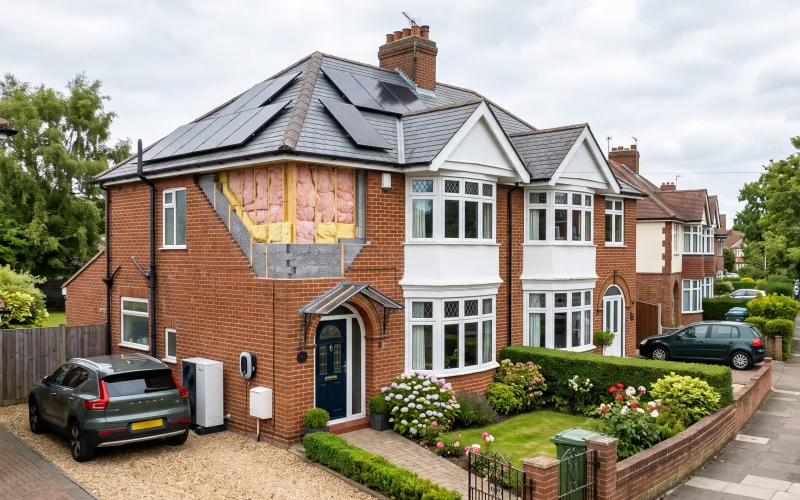
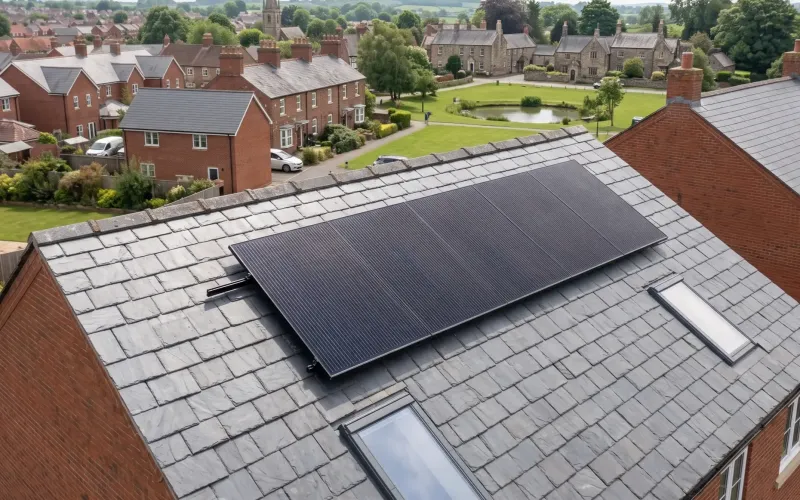
An ASHP pairs with solar panels, battery storage, and EV chargers to create a fully electric, low-carbon home. If you're already generating solar electricity or plan to, an ASHP can run partly or fully on that free energy, reducing running costs even further.

Our guide on how air source heat pumps work explains the full process.

Disadvantages of Air Source Heat Pumps

Air source heat pumps aren't for everyone. Here are the main disadvantages of air source heat pumps to consider before you invest.

Higher Upfront Cost Than a Boiler

ASHP installations cost £8,000–£18,000 depending on property size, compared to £2,000–£4,000 for a gas boiler replacement. It's a significantly larger outlay.

The BUS grant (£7,500–£9,000) closes much of the gap, and finance options are available through most installers including Elite Energy. A system costing £10,000 with a £9,000 oil/LPG grant brings the out-of-pocket cost down to £1,000. But even with support, it's a bigger commitment than a boiler swap.

You'll Need Space for a Hot Water Cylinder

Unlike a combi boiler, an ASHP heats water to a lower temperature and stores it in a cylinder rather than heating on demand. For homes that removed their hot water tank and airing cupboard when switching to a combi, this means finding space for one again.

This is a genuine inconvenience, particularly in smaller properties. Slimline cylinders and alternative locations (utility rooms, garages, understairs cupboards) can help, but it's a factor worth considering early. Your installer will assess space options during the survey.

The Outdoor Unit Can Be Bigger Than Expected

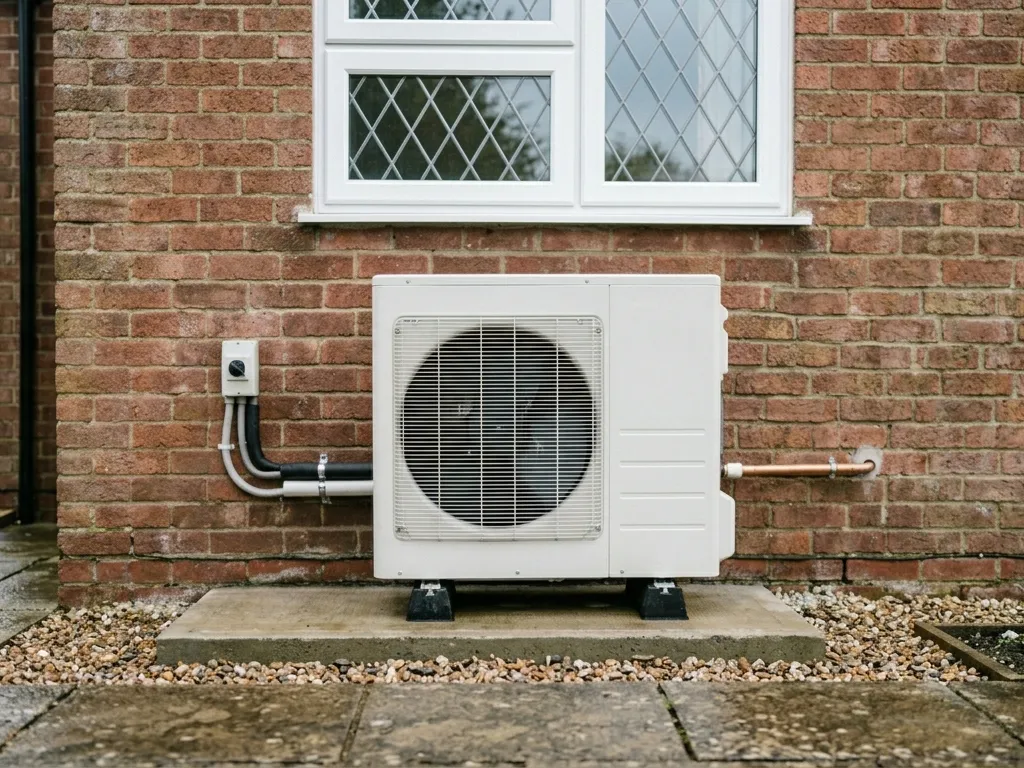
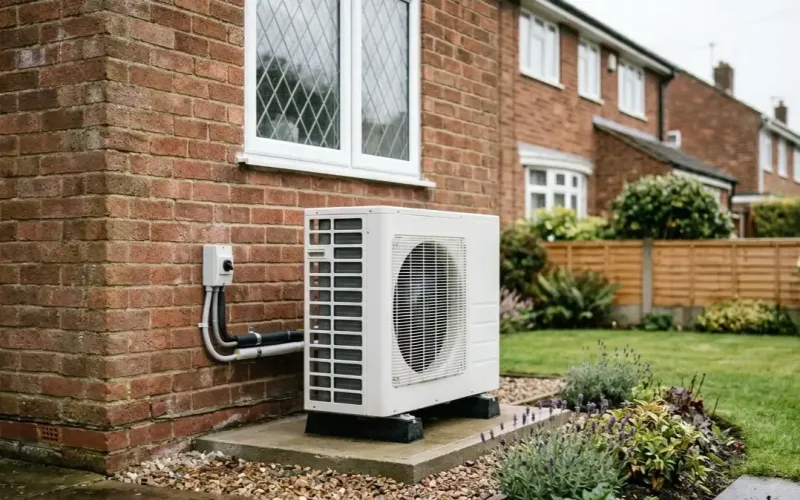
The outdoor unit is roughly the size of a large suitcase or small chest freezer, and it needs clear space around it for airflow. It produces a low hum when running, typically 40–50 decibels, comparable to a fridge or a quiet conversation.

Some homeowners don't want a visible unit in their garden. Screening with fencing or planting can reduce the visual impact without restricting airflow, but the unit will be there.

Security is another concern that comes up regularly. Modern units weigh 60–80kg and can be secured with anti-theft brackets and cages. Theft is uncommon, but if it's a worry, your installer can advise on securing the unit properly.

You May Need to Upgrade Your Radiators

ASHPs run most efficiently at flow temperatures of 35–45°C, lower than the 60–80°C a gas boiler produces. This means the heating system runs at a gentler temperature for longer periods.

In homes with modern radiators or underfloor heating, this works well. In older homes with small, single-panel radiators, some may need upgrading to larger double-panel models to deliver the same comfort level. Elite Energy assesses this during the survey and handle radiator upgrades as part of the installation when needed.

Efficiency Drops in Sustained Extreme Cold

ASHP efficiency reduces as outdoor temperatures fall below 0°C. Below -5°C, the system works harder and the defrost cycle runs more frequently, increasing electricity consumption.

In most of England, sustained temperatures below -5°C are rare. Modern ASHPs are rated to operate down to -20°C or -25°C, and across a typical UK heating season, cold weather performance is not a practical concern for the majority of homes.

Your Home Should Be Well Insulated

ASHPs perform best in well-insulated homes. Poor insulation means heat escapes faster than the system can replace it at lower flow temperatures, which increases running costs and reduces comfort.

This applies to any heating system, but it matters more with an ASHP. If your insulation needs improving, it's worth addressing before or alongside the installation. Elite Energy instals loft, cavity wall, and internal wall insulation and can assess your property as part of the process. Certain insulation can also be provided through ECO4.

Who Are Air Source Heat Pumps Best For?

Whether an air source heat pump is the right choice depends largely on what you're replacing and the condition of your property.

  • Homes currently on oil or LPG: The strongest case. Running costs drop significantly, the BUS grant is £9,000 (the highest tier), and you eliminate fuel deliveries and price volatility. If you're on oil in the North East, this is one of the best upgrades available.

  • Replacing an aging gas boiler (15+ years old): Rather than spending £2,000–£4,000 on a new boiler that will need replacing again in 10–15 years, an ASHP gives you 20–25 years of lower-cost heating with up to £7,500 in grant support.

  • Replacing electric storage heaters: Running costs drop substantially because an ASHP is 3–4x more efficient than direct electric heating. The BUS grant applies at the £7,500 tier.

  • Well-insulated homes with space for an outdoor unit: Properties with good insulation, modern radiators or underfloor heating, and outdoor space are ready for a heat pump with minimal additional work.

  • Homes already building a renewable energy system: If you have solar panels and battery storage, an ASHP completes the setup and reduces your grid dependency further.

Who Should Think Twice?

It's worth pausing if:

  • Your home has poor insulation and you're not in a position to address it. The heat pump will underperform and running costs will be higher than projected.

  • You have very limited outdoor space with no suitable location for the unit.

  • You're planning to move within 2–3 years. The system adds value, but you may not recoup the full outlay.

  • Your current gas boiler is relatively new and your energy bills are already low. The savings may not justify the switch right now.

  • You live in a flat or apartment without access to an external wall or outdoor space.

None of these are permanent. Insulation can be improved, properties change, and circumstances shift. But if any apply now, it's worth addressing them first.

Are Air Source Heat Pumps Worth It?

For most UK homeowners replacing gas, oil, LPG, or electric storage heating, an air source heat pump is a worthwhile investment. A typical 3-bed home can save £700–£750 per year on heating, the BUS grant covers up to £9,000, and the system lasts over 20 years with minimal maintenance.

The upfront cost is higher than a boiler, you'll need space for a cylinder and outdoor unit, and your home needs decent insulation to get the best performance. But for suitable properties, the air source heat pump benefits comfortably outweigh the drawbacks over the long term.

If you're considering making the switch, request a free quote and we'll assess whether an ASHP is the right fit for your property.

Get A Quote