Solar Panel Grants
Free Solar Panels
Find out if your home qualifies for free solar panels through ECO4, with approved installers covering the North East and Yorkshire.
Solar Panel Grants for Long-Term Energy Savings
If you're struggling with rising energy bills and looking for a long-term way to take control of your energy costs, free solar panels could be the answer.
Through the ECO4 scheme and LA Flex, you could receive a fully funded solar PV installation – generating your own clean electricity, cutting what you pay to the grid, and protecting yourself against future price rises. All at zero upfront cost.
At Elite Energy, we're approved ECO4 installers based in Stockton-on-Tees, delivering funded solar installations across the North East and Yorkshire. If you receive qualifying benefits or your home has a low energy efficiency rating, check your eligibility today. It only takes a few seconds.
What Are Free Solar Panel Grants and Who Qualifies?
Free solar panel grants remove the upfront cost of installing solar, allowing eligible homes to generate their own electricity without the need for investment.
Through the ECO4 scheme and LA Flex, qualifying properties can receive a fully funded solar PV installation, including panels, inverter, and installation, helping reduce reliance on the grid and lower ongoing energy costs.
Many homeowners assume they won't qualify. In our experience, they often do. We offer a free eligibility check and handle the entire grant application process for you, so if the funding is there, we'll find it.
You may qualify for a government grant for solar panels if:
You own your home or privately rent it (with landlord permission)
Your home has poor insulation or a low energy efficiency rating (EPC D, E, F, or G)
You or someone in your household receives means-tested benefits such as Universal Credit, Pension Credit, Child Tax Credit, or Income-based JSA or ESA
You have a low household income (<£31,000), even without claiming benefits – eligibility may still apply through LA Flex
How Government Grants for Solar Panels Work
Once eligibility is confirmed, the process is handled from start to finish, covering everything needed to install and activate your system.
The grant includes:
System design based on your property
Solar panels and inverter
Full installation by accredited engineers
There are no upfront costs, and no requirement to manage the application yourself. We handle the full process, from assessment through to installation and sign-off.
At Elite Energy we offer solar grants through both ECO4 and LA Flex. If you're unsure which applies to you, our team will assess your situation and match you to the right funding route, at no cost and with no obligation.
ECO4
ECO4 is the primary government scheme for home energy efficiency. It supports households that are on a low income, receive qualifying benefits, or live in a property with a low EPC rating. It's the main route to free solar panels for most eligible households.
LA Flex
LA Flex allows councils to extend ECO4 funding to households that fall outside the standard criteria. If you don't receive benefits but face higher energy costs or specific circumstances, you may still qualify through this route.
You May Qualify for Solar Grants Worth Thousands
If your home is hard to heat or you're receiving certain benefits, there’s a high chance you qualify for free solar panels through a government-backed scheme.
Use our free solar grant checker to find out in less than a minute, or, if you'd rather we handle it for you, contact us and we’ll be in touch.
Benefits of Installing Free Solar Panels on Your Home
Government-funded solar panels provide a long-term upgrade to your home's energy efficiency, running costs, and environmental footprint. Through ECO4 or LA Flex, you get:
Lower Energy Bills from Day One
Your panels generate electricity from daylight, reducing how much you draw from the grid. Most households notice the difference on their bills immediately, particularly through the spring and summer months.
SEG Payments for Extra Energy
Through the Smart Export Guarantee, any surplus electricity your system generates can be sold back to the grid, turning your roof into a source of income on top of your savings.
Zero Upfront Costs
Every part of your installation, design, supply, and labour, is covered by government-backed funding. There are no loans, no finance agreements, and no hidden costs at any stage.
Reduced Reliance on Grid Electricity
With a system designed to last 25+ years, you're shielded from future price hikes and in control of your energy costs for the long term.
Reduced Carbon Footprint
Generating your own renewable electricity reduces your household's carbon emissions every single day, helping the environment while keeping more money in your pocket.
What Savings Can You Expect from Solar Grants?
With energy costs continuing to rise, grant-funded solar panels are one of the most reliable ways to reduce your electricity bills without spending a penny upfront. From the moment your system is switched on, you're generating your own power and reducing what you buy from the grid.
Your potential savings depend on the size of your system, how much energy you use day to day, and whether you're earning through the Smart Export Guarantee. But for most households, the annual reduction is significant and compounds over time.
System Size | Estimated Annual Savings | SEG Export Earnings (Est.) |
2.5 kW | £300 – £450 | Up to £100/year |
4 kW | £450 – £650 | Up to £150/year |
5.5 kW | £600 – £800 | Up to £200/year |
*Savings vary depending on location, usage patterns, and whether a battery is included.
What If You Don’t Qualify?
If your home doesn’t qualify for ECO4 or LA Flex, you still have options to move forward with solar.
Many homeowners choose to spread the cost through solar finance, allowing installation without a large upfront payment. This means you can start generating your own electricity and reducing your bills straight away.
There are also additional ways to reduce costs, including 0% VAT on solar installations and lender incentives such as cashback or low-interest borrowing for energy-efficient upgrades.
If funding isn’t available, we’ll explain your options clearly and help you find the most suitable way to move forward based on your home and budget.
Free Solar Installations in the North East & Yorkshire
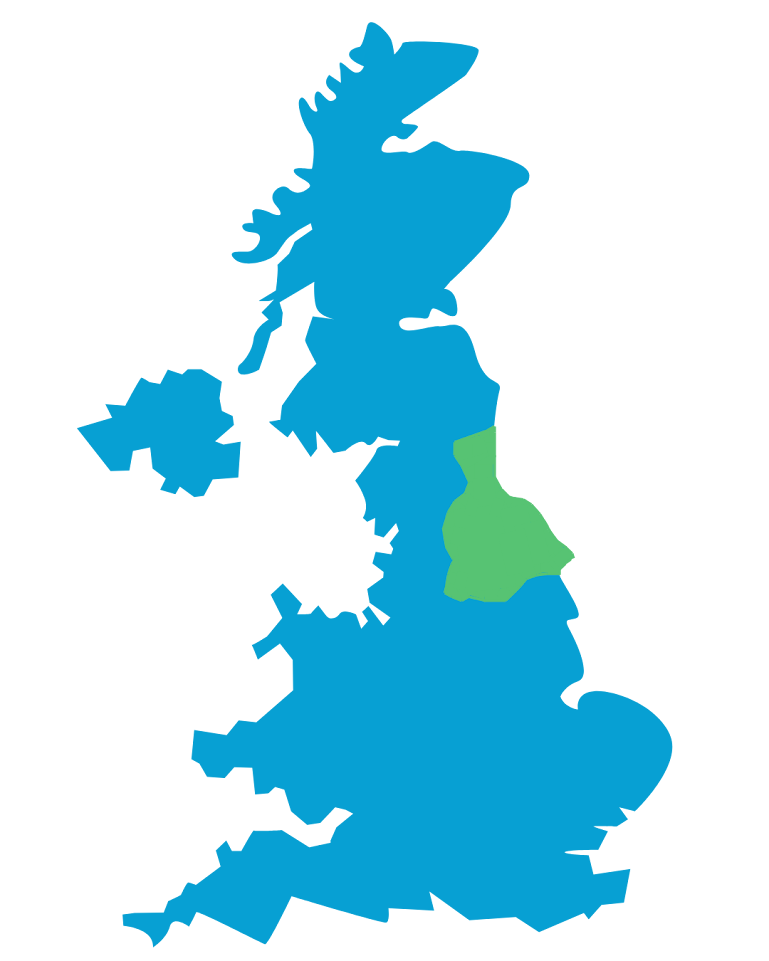
We install free solar panels across the North East and Yorkshire, with local teams managing surveys, applications, and installations throughout the region.
Our work regularly covers areas including Teesside, Newcastle, Sunderland, and Durham, as well as across Yorkshire in locations such as Leeds, Bradford, York, and surrounding towns.
Working locally means quicker survey availability, shorter installation lead times, and straightforward aftercare once your system is in place.
If you’re unsure whether your home is within our coverage, get in touch and we’ll confirm straight away.
Get Your Solar Grant Today
Thousands of homes across the North East and Yorkshire now qualify for fully funded solar PV systems, with no upfront cost, no sales pressure, and no complex paperwork. If your home meets the criteria, Elite Energy can have your system installed in weeks.
When we check your eligibility for solar panels, we can also assess your home for other government-funded upgrades, including:
Simply enter your details below to get started. Our team will review your application, confirm which grants you're eligible for, and guide you through the next steps, all with free, locally-based support from start to finish.
Frequently Asked Questions
We have tried to answer most questions here but if you have any other queries please feel free to contact us!
Do I have to be on benefits to get free solar panels?
Not always. While many grants are aimed at households receiving means-tested benefits like Universal Credit or Pension Credit, the LA Flex scheme allows local councils to extend eligibility to households on low income, even without benefits. Our team will assess your specific circumstances and match you to the right scheme.
Is the solar system really free, or are there hidden costs?
If you're eligible under ECO4 or LA Flex, your system is fully funded, including supply, installation, and paperwork. There are no hidden fees or upfront payments. We’ll explain everything clearly before you commit.
Will I save money straight away?
Yes. Once your system is installed, you’ll start using free electricity during daylight hours, reducing your need to buy from the grid. Many households start seeing lower bills from the first month. You may also earn money through the Smart Export Guarantee (SEG).
Will I get a battery with my solar panels?
Some grant-funded installations include a battery to store unused energy for later use. Whether one is included depends on your eligibility, property type, and the funding scheme. We’ll confirm this during your free assessment.
How long does installation take?
Once your eligibility is confirmed, most installations are completed within 2 to 4 weeks, depending on the property survey and our team’s availability. The install itself usually takes just one day.
Is planning permission needed for solar panels?
In most cases, no. Solar panels are classed as permitted development, so you usually won’t need planning permission. Listed buildings or homes in conservation areas may be exceptions, we’ll advise you if this applies to your property.
What if I’m not eligible for solar?
If you don’t qualify for solar under current grant schemes, we’ll let you know clearly, and we’ll also check whether you may qualify for other upgrades like the BUS scheme. There’s no obligation to proceed.


