Lower Bills with GBIS Funding
GBIS Funding & Current Alternatives
The Great British Insulation Scheme (GBIS) has now ended, and GBIS funding is no longer available for new applications. While new government support is expected, details have not yet been confirmed. For now, there are still GBIS alternatives available.
What the Great British Insulation Scheme Was
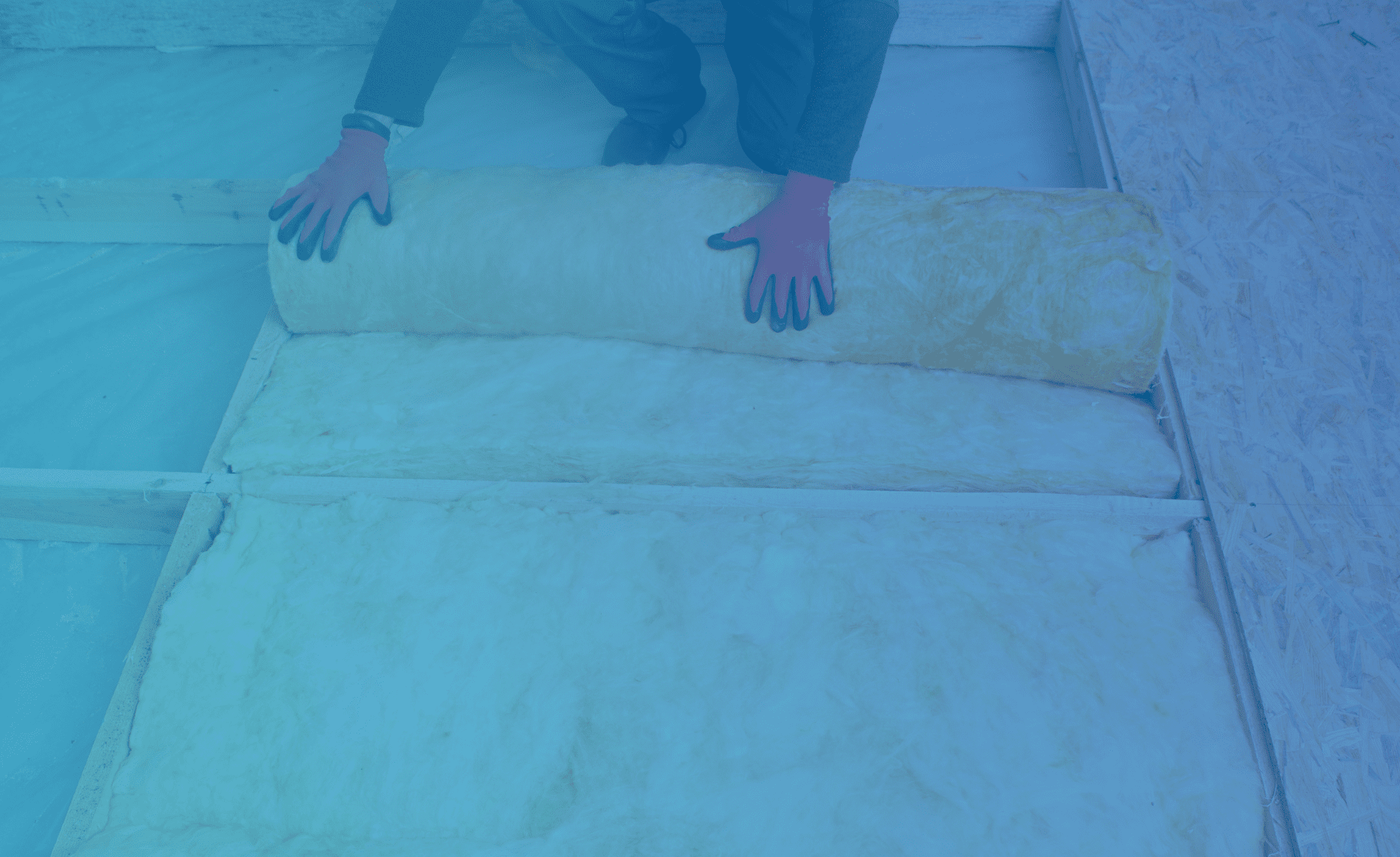
The Great British Insulation Scheme (GBIS) was a government-backed programme designed to help UK households reduce heat loss and lower energy bills through free or subsidised insulation.
Launched in 2023, the GBIS scheme focused on improving older, less efficient homes across England, Scotland, and Wales. By targeting properties with poor energy performance, it helped households retain more heat, improve comfort, and reduce reliance on expensive heating.
Rather than delivering full home upgrades, GBIS funding was typically used for single insulation measures that made an immediate impact on energy efficiency.
These improvements helped households save on energy costs, with some homes reducing annual bills by hundreds of pounds while also reducing draughts and damp.
What GBIS Funding Covered?
Under the Great British Insulation Scheme, households were able to access GBIS funding for a range of insulation upgrades designed to reduce heat loss and improve overall energy efficiency.
Depending on the property and its energy performance, the scheme typically covered one or more of the following:
Loft insulation to prevent heat escaping through the roof and reduce overall heat loss
Cavity wall insulation to retain warmth within external walls and improve comfort
Solid wall insulation for older properties without cavity walls, helping reduce draughts and damp
Floor insulation to minimise heat loss through suspended floors and improve warmth underfoot
Room-in-roof insulation to make loft conversions or attic spaces more energy efficient
Previous Eligibility for GBIS Funding
Eligibility for the Great British Insulation Scheme was designed to support households most in need of improved energy efficiency. GBIS funding was available through two main routes: the Low-Income Group and the General Group.
Low-Income Group
This route supported households receiving qualifying benefits or those considered vulnerable due to low income or health conditions affected by cold homes.
You could qualify if:
You or someone in your household received benefits such as Universal Credit, Pension Credit, Housing Benefit, or Tax Credits
Your home had an EPC rating of D, E, F, or G
You owned your home or rented privately (with landlord consent)
In some cases, households not receiving benefits could still be approved through local authority support based on income, health, or energy performance.
General Group
This route expanded access to GBIS funding for households not on benefits but living in less efficient homes within certain council tax bands.
You could qualify if:
You were a homeowner in Council Tax band A to D in England, or A to E in Scotland and Wales
Your property had an EPC rating of D or below
Current Alternatives to GBIS Funding
With the Great British Insulation Scheme now ended, many homeowners are exploring GBIS alternatives to continue improving their home’s energy efficiency.
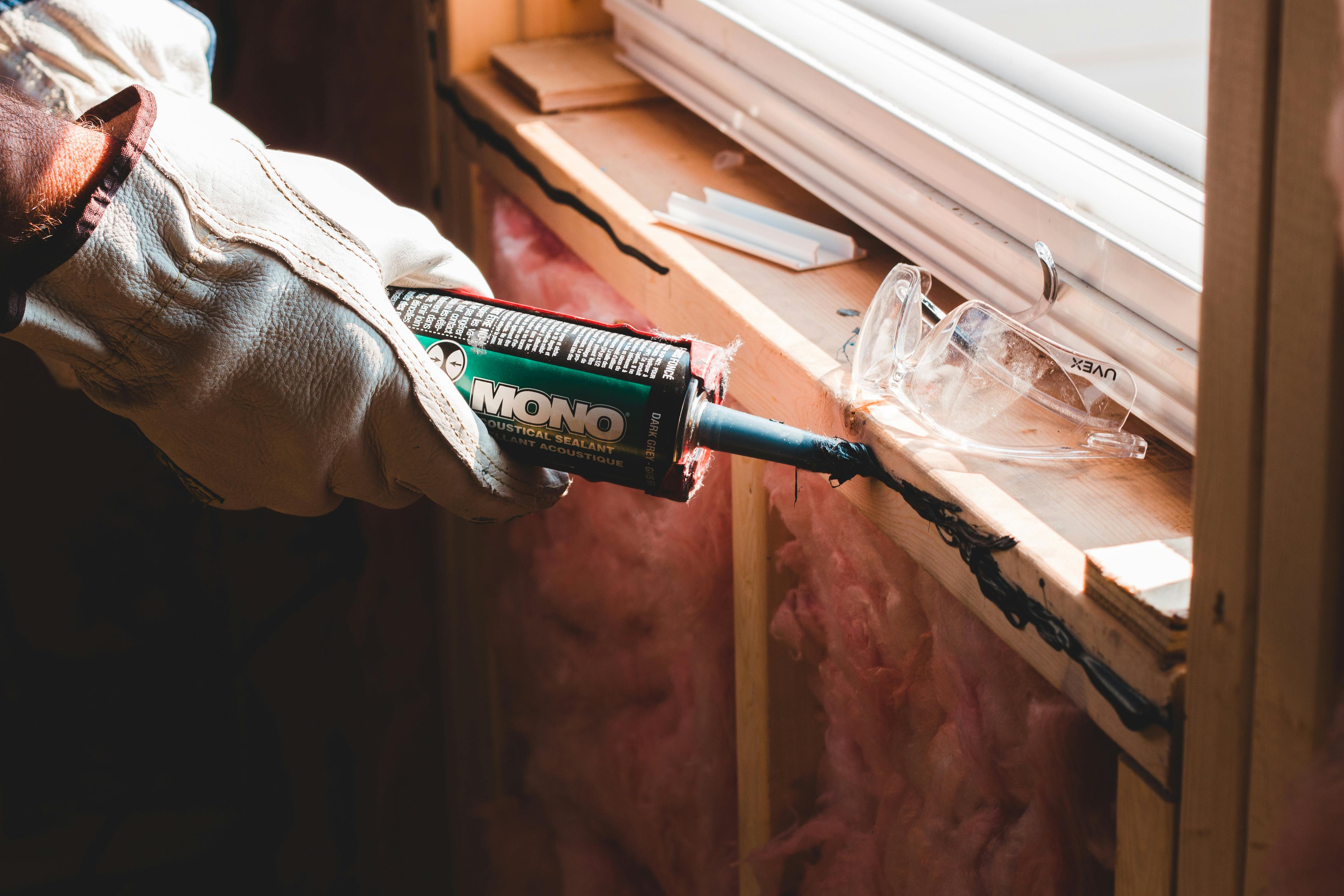
While GBIS funding is no longer available, there are still practical ways to upgrade insulation and reduce energy bills without relying on traditional government energy grants.
Options such as finance, lender incentives, and reduced VAT mean there are still accessible routes forward, helping you improve your home’s comfort and efficiency without needing to cover the full cost upfront.
-
1
Spread the Cost with Home Improvement Finance
Home improvement finance is one of the most practical GBIS alternatives, allowing you to carry out insulation upgrades without a large upfront payment by spreading the cost into manageable monthly amounts.
This means you can improve your home’s energy efficiency and reduce heat loss straight away, rather than delaying essential upgrades.
At Elite Energy, we offer flexible finance options to suit different budgets, helping you balance upfront costs with long-term savings on your energy bills.
-
2
Bank Incentives for Energy Efficiency Improvements
Some UK lenders now offer incentives for energy-efficient home upgrades, helping to reduce the overall cost of insulation improvements as part of wider GBIS alternatives.
For example, Nationwide Building Society offers existing mortgage customers the option to borrow between £5,000 and £20,000 at 0% interest when funds are used for improvements such as insulation.
These types of schemes can help lower upfront costs, making it easier to improve your home even without GBIS funding or other government energy grants.
Availability and eligibility vary depending on your lender and mortgage, so it’s worth checking what support may be available to you.
-
3
0% VAT on Insulation Installations
Insulation upgrades in the UK currently benefit from 0% VAT, helping to reduce upfront costs compared to previous years.
While this isn’t a grant, it still provides a valuable form of support and is one of the more straightforward GBIS alternatives available today.
By lowering the overall cost of installation, it makes it easier for homeowners to improve energy efficiency without relying on traditional government energy grants.
The Upcoming Warm Homes Plan
With the Great British Insulation Scheme (GBIS) now ended, the government is expected to introduce a replacement through the Warm Homes Plan, a long-term programme designed to continue supporting energy efficiency improvements across UK homes.
While the GBIS scheme focused primarily on insulation upgrades, the Warm Homes Plan is expected to take a broader approach, bringing different types of improvements under one structure.
However, full details have not yet been confirmed. Information around funding levels, eligibility criteria, and how to apply is still being finalised, meaning there is currently a gap following the GBIS end date before any new support becomes available.
What Could Be Included?
The Warm Homes Plan is expected to support a range of upgrades aimed at improving overall home performance and reducing long-term energy costs:
Insulation to reduce heat loss
Low-carbon heating systems such as heat pumps
Battery storage to improve energy efficiency
Smart controls to manage energy use more effectively
Rather than focusing on a single upgrade, support is likely to be based on what will have the biggest impact on your home.
Who Is It Likely to Support?
Like previous GBIS funding, support is expected to focus on households where energy costs are hardest to manage:
Homes with poor EPC ratings
Lower-income households
Properties that are expensive to heat
Homeowners unable to fund upgrades upfront
There may also be options for households who don’t qualify for full funding, including partial grants or low-cost finance.
Why Choose Elite Energy for Your Insulation Install
Choosing the right installer ensures your home improvements are carried out properly and deliver long-term results. Elite Energy manages every stage in-house, providing a straightforward and reliable service from start to finish.
Fully Accredited Installers
All work is completed by TrustMark and PAS 2030-certified professionals who meet strict national standards for quality and safety.
Complete End-to-End Service
From initial survey and recommendations to installation and final checks, every step is handled by our in-house team.
Experienced and Trusted
We’ve completed thousands of installations across the UK, helping homeowners improve energy efficiency and reduce heat loss.
Clear Communication and Aftercare
You’ll always know what’s happening and when, with transparent updates, no hidden costs, and full support after installation.


