

How Much Does an Air Source Heat Pump Cost?

Elite Energy News

How Much Does an Air Source Heat Pump Cost?
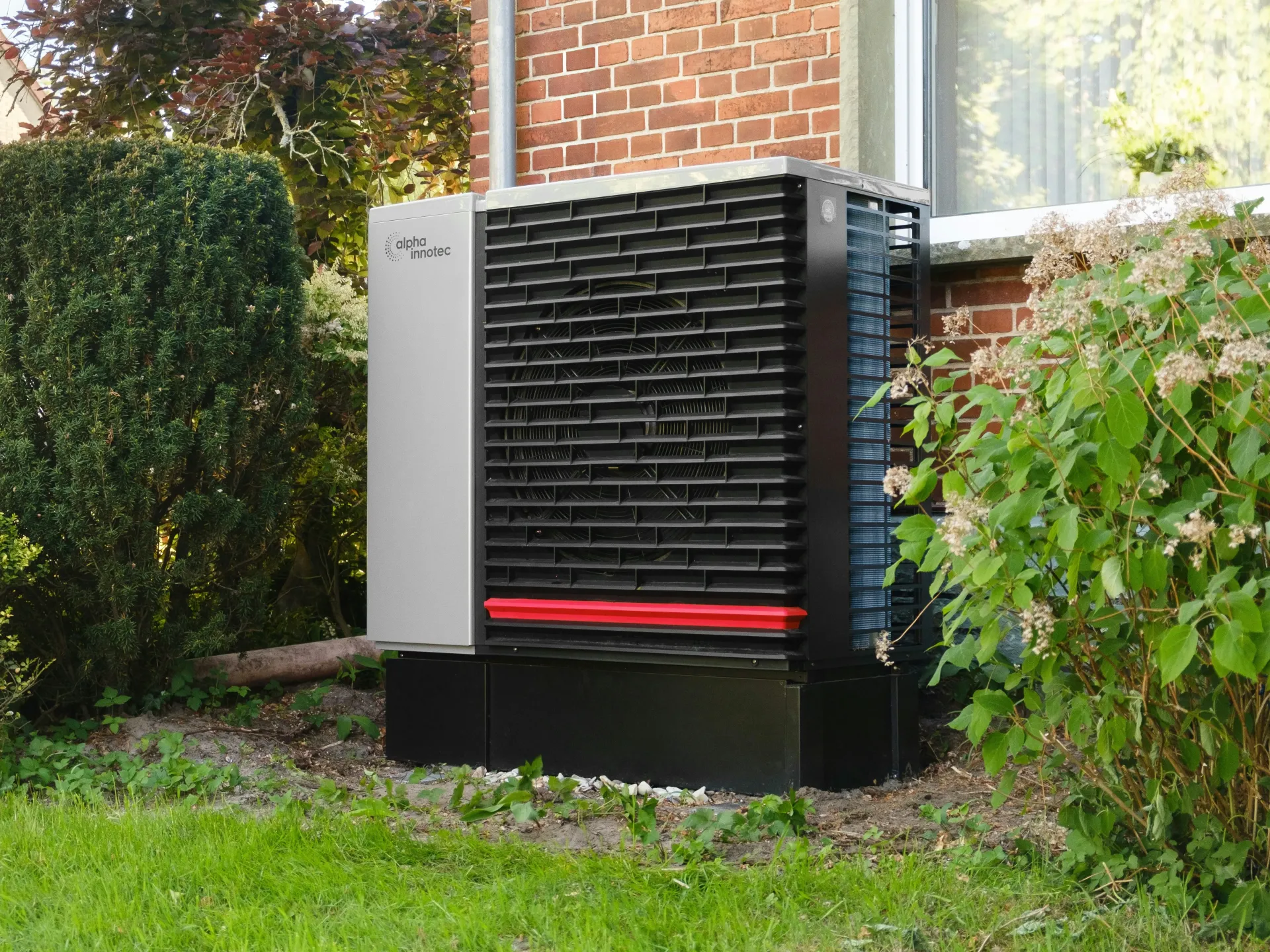
A typical air source heat pump installation in the UK costs between £8,000 and £18,000. For a standard 3–4 bedroom home, most installations fall in the £10,500–£13,500 range, with an average of around £12,000. The Boiler Upgrade Scheme can reduce this by up to £7,500 when replacing a gas boiler, or up to £9,000 when replacing oil or LPG – bringing the cost of an average installation down to as little as £3,000.

Installation costs are only part of the picture. Our guide breaks down the full air source heat pump cost – what affects the price you'll pay to install, how efficiency ratings compare, how much it costs to run, what you'll spend on servicing, and how the available funding works.

Air Source Heat Pump Cost Breakdown

The cost of an air source heat pump installation depends largely on the size of your home and the system capacity needed to meet its heat demand. A smaller flat or 1-bed property requires a lower-output system, while a larger 4–5 bedroom home will need a higher-capacity unit to maintain comfortable temperatures throughout.

Here's how installation costs typically break down by property size:

Property size

System size

Typical installation cost

Flat / 1-bed

4–6 kW

£8,000–£10,000

2–3 bed house

6–10 kW

£10,000–£13,000

3–4 bed house

8–12 kW

£10,500–£13,500

4–5+ bed house

12–16 kW

£13,500–£18,000

These figures cover the full standard installation: the heat pump unit itself, all pipework and plumbing, electrical connections, controls, and any adjustments needed to your existing heating layout

At Elite Energy, every quote is based on a detailed home survey where we calculate your property's exact heat demand and confirm the right system size. The price you're quoted after that survey is the price you pay. It's fixed, fully broken down, and won't change on installation day.

It's worth noting that these are pre-grant figures. The Boiler Upgrade Scheme can take up to £7,500 or £9,000 off the installation cost depending on what fuel you're replacing, which we cover in the next section.

Can I Get Funding Support?

The Boiler Upgrade Scheme (BUS) is a government grant that covers a large portion of the upfront cost. The amount you receive depends on the type of heating system you're replacing:

  • Replacing a gas or electric heating system: up to £7,500

  • Replacing an oil or LPG heating system: up to £9,000

The grant is not means-tested. To qualify, your property typically needs to have an existing fossil fuel or electric heating system being replaced, hold a valid EPC with no outstanding insulation recommendations, and be a home you own and occupy or a property you're letting.

Here's what the grant can look like in practice:

Scenario

Installation cost

BUS grant

You pay

3-bed, replacing gas

£12,000

£7,500

£4,500

3-bed, replacing oil/LPG

£12,000

£9,000

£3,000

4-bed, replacing gas

£14,000

£7,500

£6,500

4-bed, replacing oil/LPG

£14,000

£9,000

£5,000

At Elite Energy, we manage the full BUS application on your behalf. The grant is confirmed before installation begins and deducted directly from your invoice, so you only ever pay the remaining balance. If you'd prefer to spread that remaining cost, finance is available through Klarna, allowing you to pay in monthly instalments.

Fully Funded Through ECO4

If your household receives qualifying benefits or is on a low income, you may be eligible for a fully funded air source heat pump installation through ECO4. Unlike BUS, ECO4 can cover the entire cost of installation, including any insulation upgrades your property needs as part of the project.

You may qualify if your home has an EPC rating of D, E, F, or G, you receive benefits such as Universal Credit, Pension Credit, or Housing Benefit, and you own your home or rent privately with landlord consent. Some local authorities also operate LA Flex referrals, which can extend eligibility to households that fall outside the standard criteria.

We're an approved ECO4 installer and handle the full application process on your behalf. If you're unsure whether you qualify, you can check your eligibility here.

What Affects ASHP Installation Costs?

Every home is different, and the final cost of your installation will depend on a number of factors specific to your property. Here's what influences the price and why.

Property Size and Heat Demand
The larger your home, the more heat it needs. A 1-bed flat might require a 4–6 kW system, while a 5-bed detached house could need 14–16 kW. The system capacity is the single biggest factor in determining the cost of the unit itself.

Brand and System Specification
Different manufacturers price their units at different levels. A Vaillant aroTHERM Plus or NIBE system will typically sit at a higher price point than a Mitsubishi Ecodan or Daikin Altherma, though all are capable of high seasonal efficiency.

Existing Heating Layout
How your current heating system is set up affects how much work is involved in the changeover. A home with a conventional boiler and hot water cylinder will typically require less modification than one running a combi boiler, where a new cylinder may need to be added as part of the design.

Radiator and Pipework Requirements
Heat pumps operate at lower flow temperatures than gas boilers. In some homes, existing radiators work perfectly well at these temperatures. In others, some radiators may need upsizing to deliver the same level of comfort. If pipework needs rerouting or extending, this adds to the installation time and cost.

Insulation Levels
A poorly insulated home loses heat faster, which means a larger system is needed to compensate. Better insulation reduces the required system capacity, which in turn reduces the cost.

Electrical Capacity
A heat pump requires a dedicated electrical supply. In some older properties, the consumer unit may need upgrading to support this. Our surveyor will check this during the home visit and include any electrical work in the quote.
How Efficient Are Air Source Heat Pumps Compared to Boilers?

Heat pump efficiency is measured using SCOP (Seasonal Coefficient of Performance), which represents the average efficiency across a full heating season. A SCOP of 4.0 means the system produces 4 kWh of heat for every 1 kWh of electricity it uses. Most modern ASHPs achieve a SCOP of at least 4.0, with many capable of 4.5–5.0 depending on the brand and installation.

Brand

Typical SCOP

Vaillant auroTHERM Plus

4.5–5.0

Mitsubishi Ecodan

3.8–4.6

Daikin Altherma

4.0–5.0

NIBE

4.5–5.2

Viessmann Vitocal

4.2–5.0

Boiler efficiency works differently. It's expressed as a percentage of the fuel energy that's converted into usable heat. A brand new A-rated gas boiler operates at around 90% efficiency at its peak, but efficiency degrades over time. Most boilers in the field are running well below their original rating.

So What Does That Mean Per kWh of Heat?

Regardless of property size, the cost per kWh of heat delivered tells you exactly how the two systems stack up. Using the current UK average prices of 24.67p/kWh for electricity and 5.74p/kWh for gas:

Heating system

Cost per kWh of heat delivered

ASHP at SCOP 4.0 (standard tariff)

6.17p

New A-rated gas boiler (90%)

6.38p

10+ year old gas boiler (85%)

6.75p

15 year old gas boiler (80%)

7.18p

20 year old gas boiler (75%)

7.65p

25+ year old gas boiler (70%)

8.20p

25+ year old gas boiler (60%)

9.57p

Even on a standard electricity tariff, an air source heat pump at SCOP 4.0 delivers heat at 6.17p per kWh. That's cheaper than every gas boiler on this list, including a brand new A-rated model at 6.38p.

The older your boiler, the wider the gap. And as we'll cover in the next section, a time of use electricity tariff can reduce the heat pump figure significantly further.

How Much Does an Air Source Heat Pump Cost to Run?

Running costs depend on three things: your home's annual heat demand, your heat pump's SCOP, and the electricity tariff you're on. Here's how that breaks down by property size on a standard electricity tariff of 24.67p/kWh.

Property size

Annual heat demand

Cost at SCOP 4.0

Cost at SCOP 5.0

Flat / 1-bed

7,500 kWh

£463/year

£370/year

3-bed house

11,500 kWh

£709/year

£567/year

5-bed house

17,000 kWh

£1,049/year

£839/year

Annual heat demand figures based on average UK gas usage data from British Gas.

The SCOP 4.0 column represents a conservative baseline. As shown in the efficiency section above, most modern systems from brands like Vaillant, NIBE, and Daikin are capable of SCOP 4.5–5.0, which pushes running costs closer to the right-hand column.

How This Compares to a Gas Boiler

On a standard tariff, electricity costs around four times more per kWh than gas (24.67p vs 5.74p). But because a heat pump at SCOP 4.0 uses roughly a quarter of the energy a gas boiler needs to produce the same amount of heat, the running costs come out lower. Here's how that looks for a typical 3-bed house with 11,500 kWh of annual heat demand:

Heating system

Annual running cost

Difference vs ASHP

ASHP at SCOP 4.0

£709

N/A

New A-rated gas boiler (90%)

£733

ASHP saves £24/year

10+ year old gas boiler (80%)

£825

ASHP saves £116/year

15 year old gas boiler (85%)

£777

ASHP saves £67/year

20 year old gas boiler (75%)

£880

ASHP saves £171/year

25+ year old gas boiler (70%)

£943

ASHP saves £234/year

25+ year old gas boiler (60%)

£1,100

ASHP saves £391/year

Even against a brand new A-rated gas boiler, the heat pump comes out cheaper to run. Against a boiler that's 15–20 years old, which is what most homeowners are actually replacing, the savings are more substantial.

Reducing Running Costs Further with a Time-of-Use Tariff

The figures above are based on a standard flat-rate electricity tariff, where you pay the same price per kWh regardless of when you use it. But heat pump owners have access to a different type of tariff that can reduce running costs considerably, and it's something we actively recommend to every customer.

Time-of-use tariffs charge different rates depending on the time of day. They offer cheaper electricity during off-peak hours, typically for 6–8 hours per day, when demand on the grid is lower. In return, there's a higher rate during a short peak window, usually 3–4 hours between 4pm and 7pm.

This suits a heat pump particularly well. Heat pumps don't need to run at full output all day. They can heat your home and hot water cylinder during the cheaper off-peak periods, then coast through the peak hours without drawing much electricity. By scheduling the majority of your heating around the cheaper rate, you can significantly reduce your annual running costs without any change to your comfort levels.

We recommend all of our heat pump customers explore time-of-use tariffs after installation, and we'll guide you through the options available in your area.

For example, the EDF tracker tariff for the North East offers:

  • Day rate: 23.81p/kWh

  • Tracker rate (4am–7am and 1pm–4pm): 13.81p/kWh

On the tracker rate, the cost per kWh of heat delivered at SCOP 4.0 drops to just 3.45p, compared to 6.38p for a new A-rated gas boiler.

Electricity rate / heating system

SCOP

Cost per kWh of heat

Blended rate

4

5.33p

Day rate only

4

5.95p

Tracker rate only

4

3.45p

Gas boiler at 90% efficiency

N/A

6.38p

A well-installed heat pump on the right tariff can compete very favourably against gas heating. And 90% efficiency only applies to a brand new A-rated boiler. Most systems are running at 75–85%, where the gap widens further.

Make Your ASHP Cheaper with Solar Panels

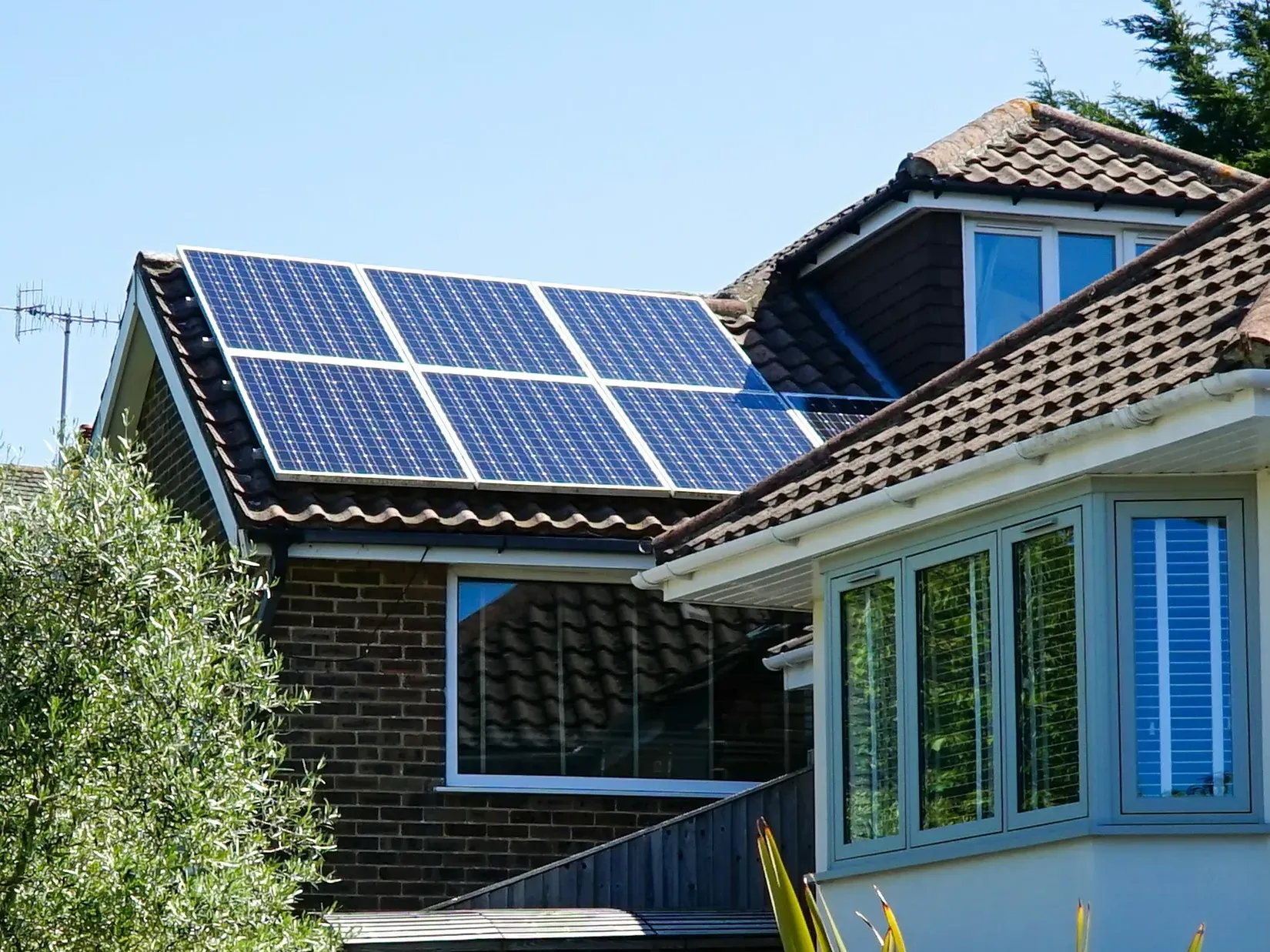
A heat pump runs on electricity, so generating your own through solar panels directly reduces how much you pay to heat your home. A typical 4kW solar PV system generates around 3,400 kWh per year. For a 3-bed house running an ASHP at SCOP 4.0, which uses approximately 2,875 kWh annually, a well-sized solar system can cover a significant portion of that demand. Homeowners who combine both systems typically see their overall energy bills fall by over 60%.

There's also a financial benefit beyond running costs. Any surplus electricity your panels generate can be exported to the grid through the Smart Export Guarantee (SEG), earning you a small payment per kWh. And if you add a battery storage system, you can store excess solar generation during the day and use it to run your heat pump in the evening.

At Elite Energy, we install both air source heat pumps and solar PV systems, so we can design both to work together from the outset. We're also currently offering a free air source heat pump with any solar PV and battery installation.*

How Much Does an Air Source Heat Pump Service Cost?

An annual heat pump service costs approximately £195. This typically covers a refrigerant pressure check, inspection of electrical connections, controls calibration, and a general assessment of system health and performance.

Unlike a gas boiler, a heat pump has no combustion, no flue, and fewer moving parts. There's no annual gas safety certificate to arrange and no risk of carbon monoxide issues. The annual service is essentially the full extent of ongoing maintenance. Between services, the only thing to manage is keeping clearance around the outdoor unit so airflow isn't obstructed.

A well-maintained system will run more efficiently and keep your manufacturer warranty valid for its full term. With annual servicing, a heat pump can last 15–25 years, compared to 10–15 for a gas boiler. Over a 30-year period, that's potentially one heat pump versus two or three boiler replacements.

At Elite Energy, servicing is handled by the same in-house team that installed your system.

Get Your Air Source Heat Pump Quote

If you're in Teesside, County Durham, Tyne and Wear, Northumberland, or Yorkshire, our team can survey your property, confirm the right system, and give you a fixed price. We handle BUS and ECO4 applications on your behalf, and every installation is delivered in-house by our MCS-certified engineers.

We’re based in Stockton on Tees and we cover city centres, towns, and rural areas across Middlesbrough, Newcastle, Sunderland, Durham, and Yorkshire.

ASHP Cost: Frequently Asked Questions

How long does an air source heat pump last?

With annual servicing, a heat pump typically lasts 15–25 years. That's significantly longer than a gas boiler, which averages 10–15 years before needing replacement.

Can I finance an air source heat pump?

Yes. We offer finance through Klarna at 21.9% APR, allowing you to spread the cost over monthly payments. This means you can start benefiting from lower running costs while paying for the system over a term that suits your budget.

Do I need planning permission?

In most cases, no. Domestic ASHP installations fall under permitted development rights in England. Exceptions can apply for listed buildings and some conservation areas. We confirm this during your survey.

What warranty comes with the system?

Every installation includes a 3-5 year manufacturer warranty covering the heat pump unit, compressor, and key internal components. Keeping up with annual servicing ensures the warranty remains valid for its full term.

Can a heat pump work with my existing radiators?

In many cases, yes. Some radiators may need upsizing to work effectively at the lower flow temperatures a heat pump operates at. We assess this during the survey and include any changes in the quote.

Is a heat pump worth it if I have a relatively new boiler?

Even against a new A-rated gas boiler running at 90% efficiency, an ASHP at SCOP 4.0 delivers heat at a lower cost per kWh (6.17p vs 6.38p on a standard tariff). On a time-of-use tariff, the gap widens considerably. Factor in the BUS grant, a lifespan of up to 25 years, and the direction of government regulation, and the case is strong even when your current boiler is still functioning.

What's the difference between SCOP and COP?

COP (Coefficient of Performance) measures efficiency at a single point in time under specific conditions. SCOP (Seasonal Coefficient of Performance) is the average efficiency across a full heating season, accounting for temperature variations throughout the year. SCOP gives a more realistic picture of what you'll actually experience.

Will a heat pump work in cold weather?

Yes. Modern ASHPs are rated to operate in temperatures as low as -25°C. Every system we install is sized to your home's peak heat demand, so performance is consistent even during the coldest months.

Get A Quote