
What Is Energy Efficient Retrofitting?

Elite Energy News

What Is Energy Efficient Retrofitting?
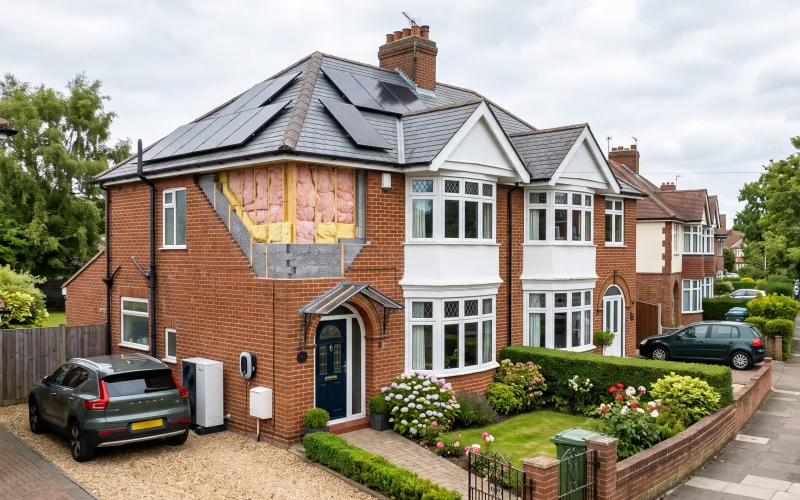
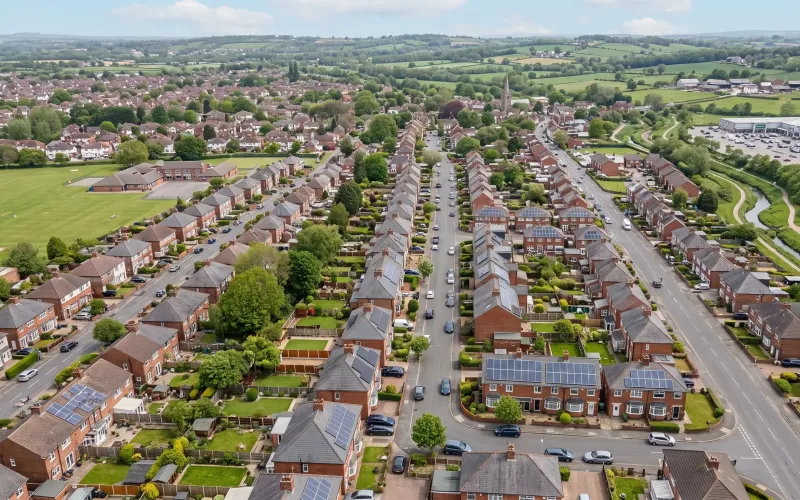
Around 80% of the homes that will still be standing in 2050 have already been built. That’s why ‘retrofit’ has become one of the most talked-about words in UK housing, energy and net zero policies.

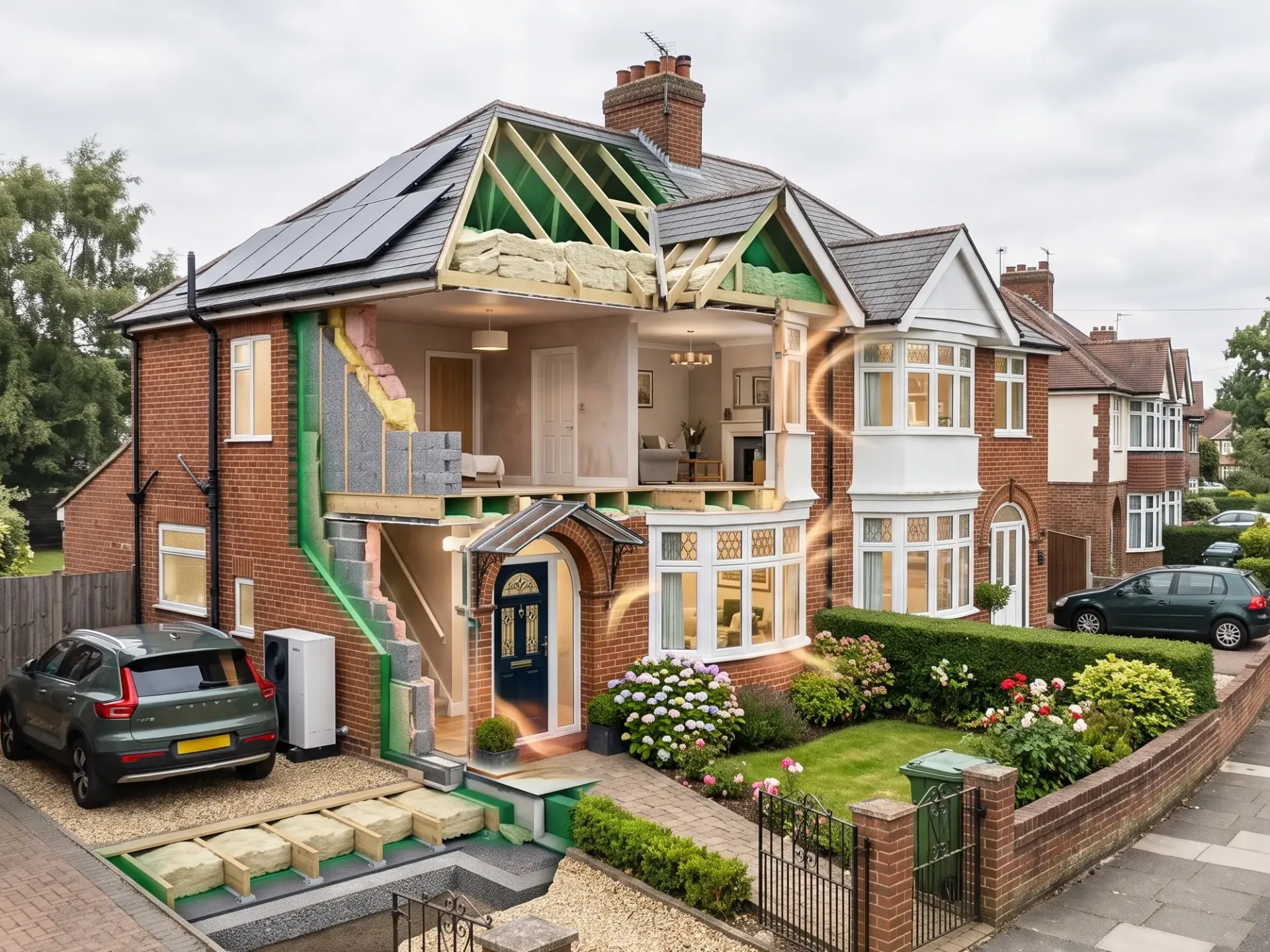
Energy efficient retrofitting is the process of upgrading an existing building, rather than a new one, with insulation, low-carbon heating, renewable technology or smarter controls. So, it uses less energy, costs less to run and produces fewer carbon emissions. Where a new build can be designed for efficiency from the outset, retrofit brings an older home up to that standard after the fact.

Our guide walks through exactly what retrofit means, how it works, what it costs, the benefits you can expect, and how to plan a retrofit that’s as efficient as possible.

Quick Navigation:

What Does Retrofit Mean?

‘Retrofit’ means adding something to a building that wasn't there, or wasn't considered, when it was originally built. It's a term borrowed from engineering more broadly (you can retrofit a car, a factory or an aircraft), but in a housing context it specifically refers to improving the energy performance of an existing property.

In relation to a home, it means making changes to an older building, such as its walls, roof, floors, heating system or energy generation, so it performs like a modern, efficient one, without needing to be rebuilt from scratch.

Retrofit is different from a general renovation or refurbishment. You can redecorate or extend a house without changing how much energy it uses. Retrofit is specifically about performance, including warmth, running costs and carbon.

What Is Energy Efficient Retrofitting, in Practice?

Energy efficient retrofitting covers a wide range of measures, from small, low-cost changes to whole-house upgrades. Most retrofit projects fall into three categories:

The most effective retrofits don't treat these as separate decisions. They start with the building itself.

Why a ‘Fabric-First’ Approach Matters

One of the most common mistakes in retrofit is assuming that a single technology, like solar panels, a heat pump or a battery, will solve a home's energy problems on its own. In reality, the biggest wins usually come from tackling heat loss first.

A poorly insulated home with an air source heat pump will often perform worse, and cost more to run, than a well-insulated home with a modest heating system. That's because a heat pump works most efficiently at lower flow temperatures, and it can only do that if the building isn't constantly leaking the heat it produces.

This is what's known as a fabric-first approach. It reduces demand before you introduce new technology. In practice, that usually means starting with the cheapest, highest-impact measures before considering renewables or a heating system upgrade. This could include loft insulation, cavity wall insulation or draught-proofing.

It's why a proper home survey matters more than picking a technology off a list. Every property loses heat differently, and what works for a 1930s semi won't necessarily suit a solid-walled Victorian terrace.

What Are the Benefits of Retrofit Energy Efficiency Improvements?

The benefits of an energy efficient retrofit tend to fall into four areas:

Lower Energy Bills

Reducing heat loss and switching to more efficient heating means your home needs less energy to stay warm. Insulation upgrades alone can cut heating bills by up to £400 a year, and pairing efficiency measures with the right heating system and tariff can save considerably more.

A Warmer Home

Retrofit addresses the everyday problems such as cold bedrooms, draughty living rooms and a downstairs that's warm while upstairs stays cold. Good insulation keeps every room at a more even temperature, all year round.

Healthier Living Conditions

Poorly insulated homes are more prone to condensation, damp and mould, which can affect respiratory health. Reducing heat loss and improving ventilation helps tackle these issues at the source, rather than just masking them.

Lower Emissions and a Better EPC

Retrofit reduces the energy a home needs to run, which cuts its carbon footprint and typically improves its Energy Performance Certificate (EPC) rating. This supports both net zero goals and property value, since homes with better EPC ratings are generally viewed more favourably by buyers and renters.

Energy Retrofit Considerations

It's worth being honest about something the industry doesn't always say clearly. The technology matters less than how well it's specified and installed. A retrofit only delivers these benefits if it's designed around the building, not just around a funding pot or a product.

Buildings vary hugely. Construction method, age, previous alterations and maintenance history all affect what will actually work, which is why a proper survey should always come before a quote.

How Much Does a Home Retrofit Cost?

Costs vary depending on your property type, its current condition, and which measures you need. As a guide:

Retrofit measure

Typical cost

What it addresses

Loft insulation

£1,000-£1,500

Up to 25% of heat loss through the roof

Cavity wall insulation

£2,700-£4,600

Up to a third of heat loss through uninsulated cavity walls

External wall insulation

Bespoke pricing

Heat loss through solid walls; can save up to £500/year

Underfloor insulation

Priced individually

Heat loss through suspended floors; can save around £110/year

Air source heat pump

£8,000-£18,000 (before grants)

Replacing a gas boiler with a low-carbon heating system

Solar PV

Varies by system size, prices start from £3,995

Generating your own electricity to reduce grid reliance

Most insulation upgrades pay for themselves within 3-6 years through lower energy bills, while also improving your home's EPC rating. Heating upgrades like an air source heat pump cost more upfront, but government support such as the Boiler Upgrade Scheme grant can bring the net cost down significantly.

What’s more, running costs can end up considerably lower than a gas boiler if you're on a suitable electricity tariff (our guide on air source heat pumps vs gas boilers breaks this down in detail).

How Do I Know If My Home Needs a Retrofit?

A few signs suggest a property could benefit from retrofit measures:

  • Rooms that are consistently cold, or heat unevenly between floors

  • Rising energy bills that don't match how the home is actually used

  • Condensation on windows, or damp and mould in corners and around external walls

  • A boiler or heating system that's more than 10-15 years old

  • An EPC rating of D or below (the average UK home is rated D, and EPCs expire after ten years, so it's worth checking whether yours is still valid)

Your EPC is the best starting point. It sets out your home's current energy performance and gives a broad indication of which improvements are likely to have the biggest impact. You can check or request an EPC assessment if you're not sure where your home currently stands.

How to Start a Home Retrofit

A whole-house approach produces far better results than upgrading one thing in isolation. That doesn't mean everything needs to happen at once. In fact, most homeowners retrofit in stages, though it does mean each stage should be planned with the bigger picture in mind.
Get a Proper Survey

A home visit identifies where your property is actually losing heat, rather than relying on a generic assessment. No two buildings perform in exactly the same way, even if they look similar from the outside.

Start With the Fabric

Address insulation and draught-proofing before investing in low-carbon heating or renewables. This reduces the size (and cost) of the heating system you'll eventually need.

Plan Your Heating Upgrade

Once heat loss is under control, an air source heat pump or new boiler will perform more efficiently and cost less to run.

Add Renewables Where They Make Sense

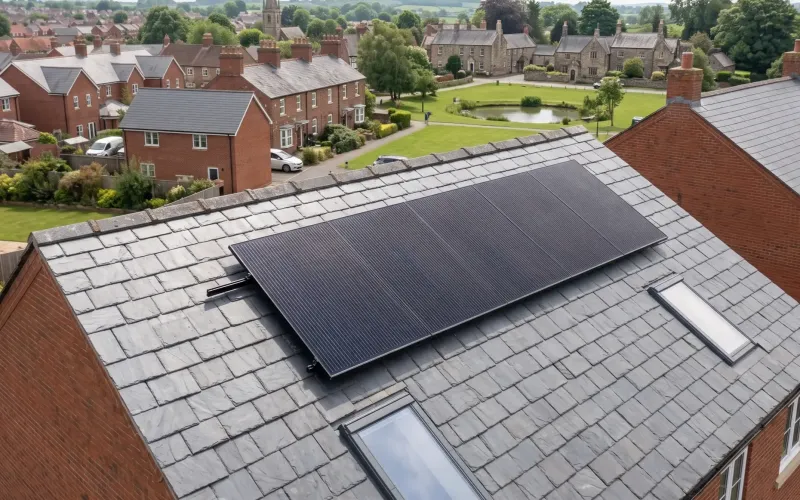
Solar panels and battery storage work well once demand has already been reduced, letting you generate and store a larger share of what you actually need.

Check What Funding Is Available

Rather than assuming grants only cover one type of improvement, be sure to look at your retrofit on a stage-by-stage basis.

Can I Get Help With the Cost of Retrofitting?

Depending on your income, benefits, EPC rating, current heating system and location, you may qualify for support towards some or all of the cost of a retrofit. Common routes include:

  • ECO4 - support for eligible households needing insulation or heating upgrades

  • Boiler Upgrade Scheme - a grant of up to £9,000 towards an air source heat pump

  • LA Flex - local authority-backed support for households who don't meet standard benefit-based criteria

  • EV Charger Grant - support towards eligible EV chargepoint installations

Many homeowners assume they won't qualify, but eligibility is often broader than expected, particularly for less efficient properties. You can check your eligibility for funded home improvements in around 60 seconds.

Plan Your Energy Efficient Retrofit

The technology and expertise needed to retrofit UK homes at scale already exist. What determines whether a retrofit delivers is whether it's approached as a whole-building project rather than a single product purchase, and whether it's installed properly by an accredited team.

At Elite Energy, every retrofit starts with a proper home assessment, not a sales pitch for the latest technology. Our own accredited engineers handle everything from insulation through to solar, heat pumps and boilers, so recommendations are based on how your specific property performs, with fixed pricing and one point of contact throughout.

If you're not sure where to start, request a free quote or check your eligibility for funded home improvements, and we'll help you understand what your home needs.

Frequently Asked Questions

What's the difference between retrofit and refurbishment?

Refurbishment can mean any update to a property, including cosmetic changes. Retrofit specifically refers to improvements that reduce energy use, such as insulation, low-carbon heating or renewable technology.

Do I need planning permission to retrofit my home?

Most internal measures, such as loft or cavity wall insulation, don't require planning permission. External wall insulation or visible changes to a property's appearance may need approval, particularly for listed buildings or conservation areas, so it's worth checking with your local authority before work begins.

How long does a home retrofit take?

This depends on scope. Insulation is often completed in a day or two per measure, while a heat pump installation typically takes 2-5 days. A full whole-house retrofit involving multiple measures is usually phased over months, not completed in a single project.

Is retrofitting my home worth it?

For most homes older than a few decades, yes - particularly where insulation is poor or a heating system is nearing the end of its life. The return comes through lower bills, a more comfortable home, and improved property value, though the exact payback period depends on which measures you choose and what funding is available.

Get A Quote